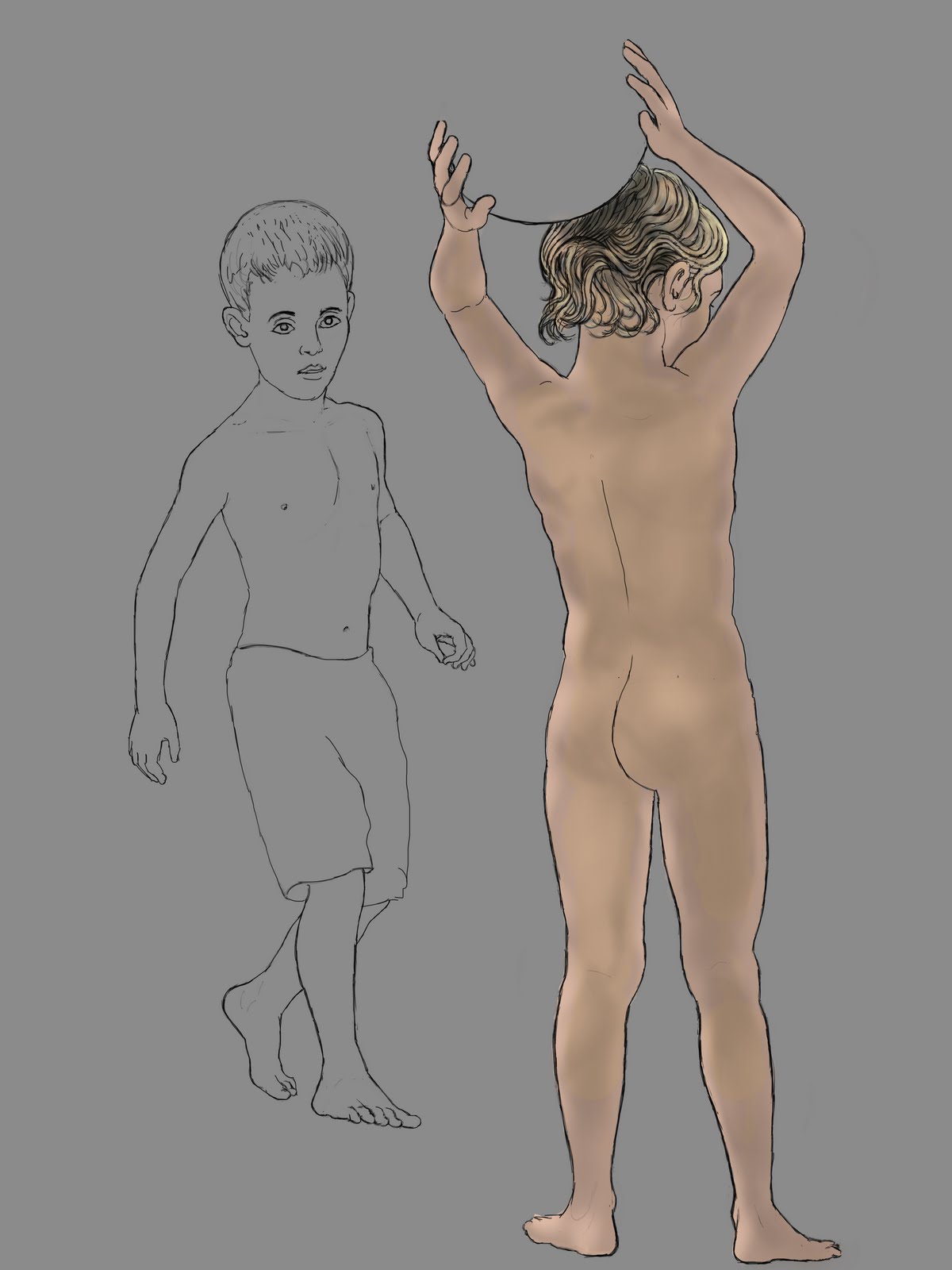
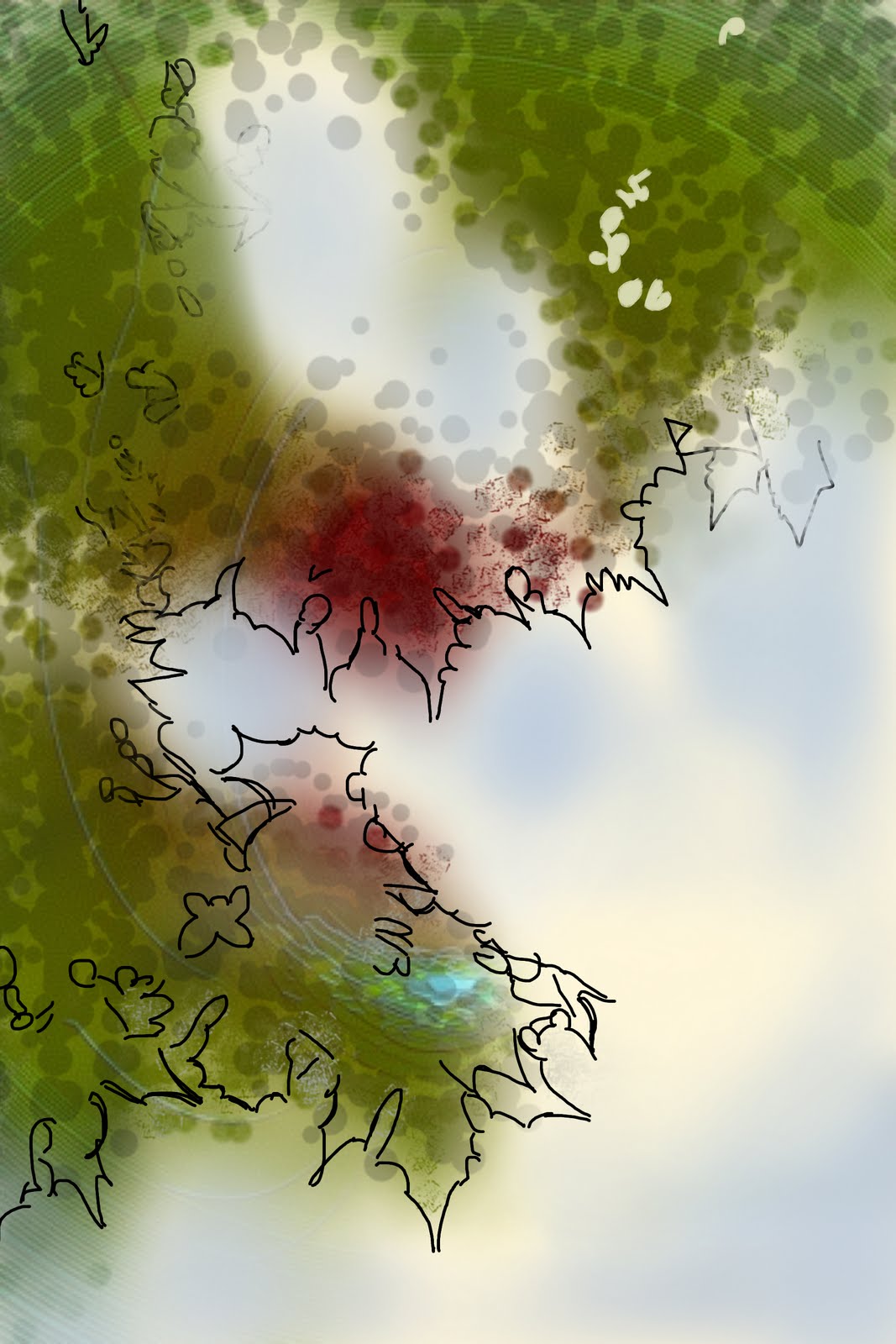
In Homer’s Iliad, Zeus sends a shower of blood at the death of his son Sarpedon. Apollo rescues the corpse from the battlefield and cleans it. After that, Hypnos (Slumber) and Thanatos (Death) fly Sarpedon back to Lycia for funeral honours.
Dans l’Iliade, Zeus provoque une averse de sang à la mort de son fils Sarpédon. Apollon sauve le cadavre du champ de bataille et le baigne. Après cela, Hypnos (Sommeil) et Thanatos (Mort) emportent Sarpédon dans les airs, il est ramené en Lycie pour les honneurs funèbres.
Σαρπηδὠν
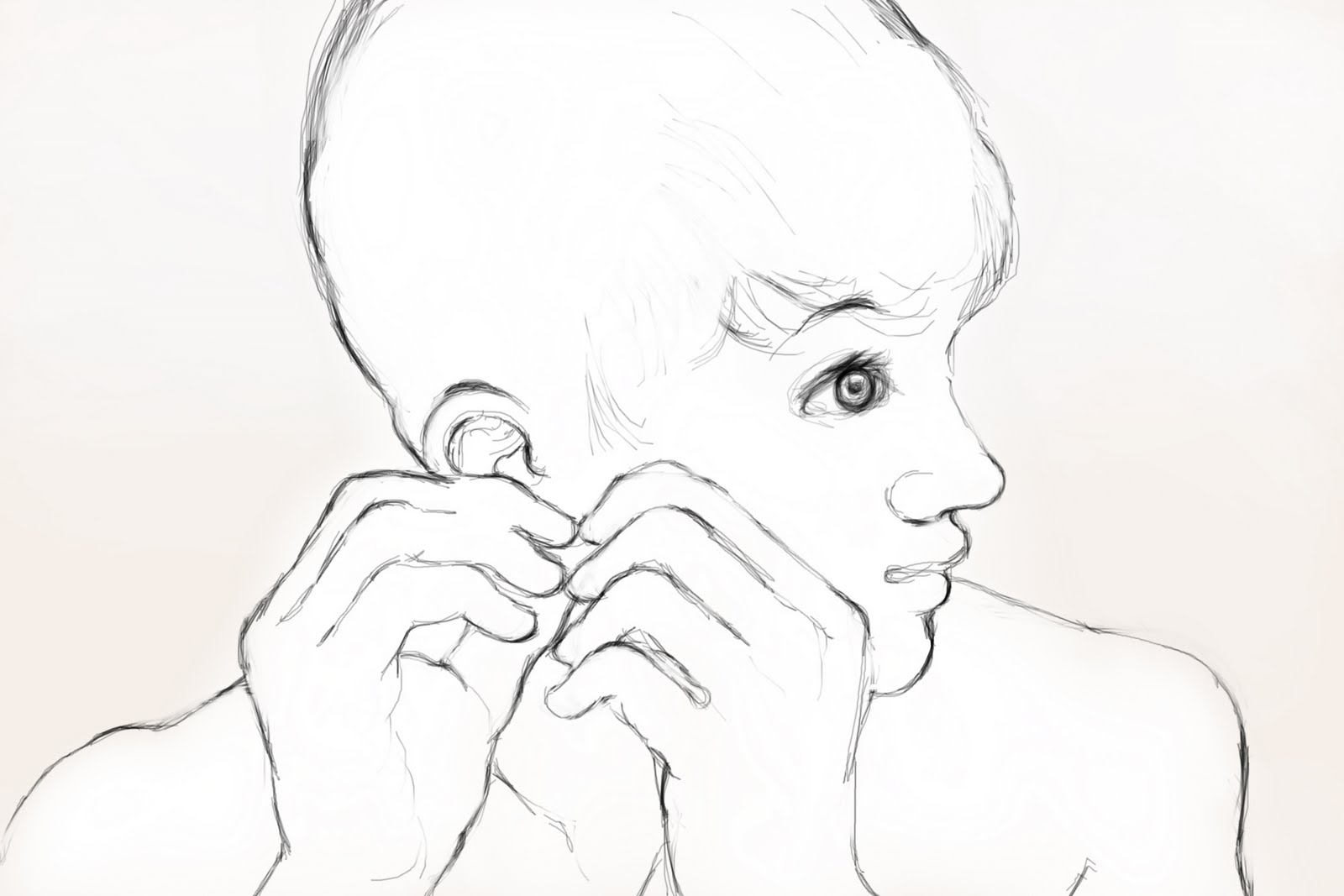
Olympos was a musician from ancient Greece. He belongs to the mythical genealogy of Mysian and Phrygian aulos flute players. Olympos frequently appears on works of art, as a boy, sometimes instructed by Marsyas, and sometimes as witnessing and lamenting his teacher’s fate.
Ὄλυμπος
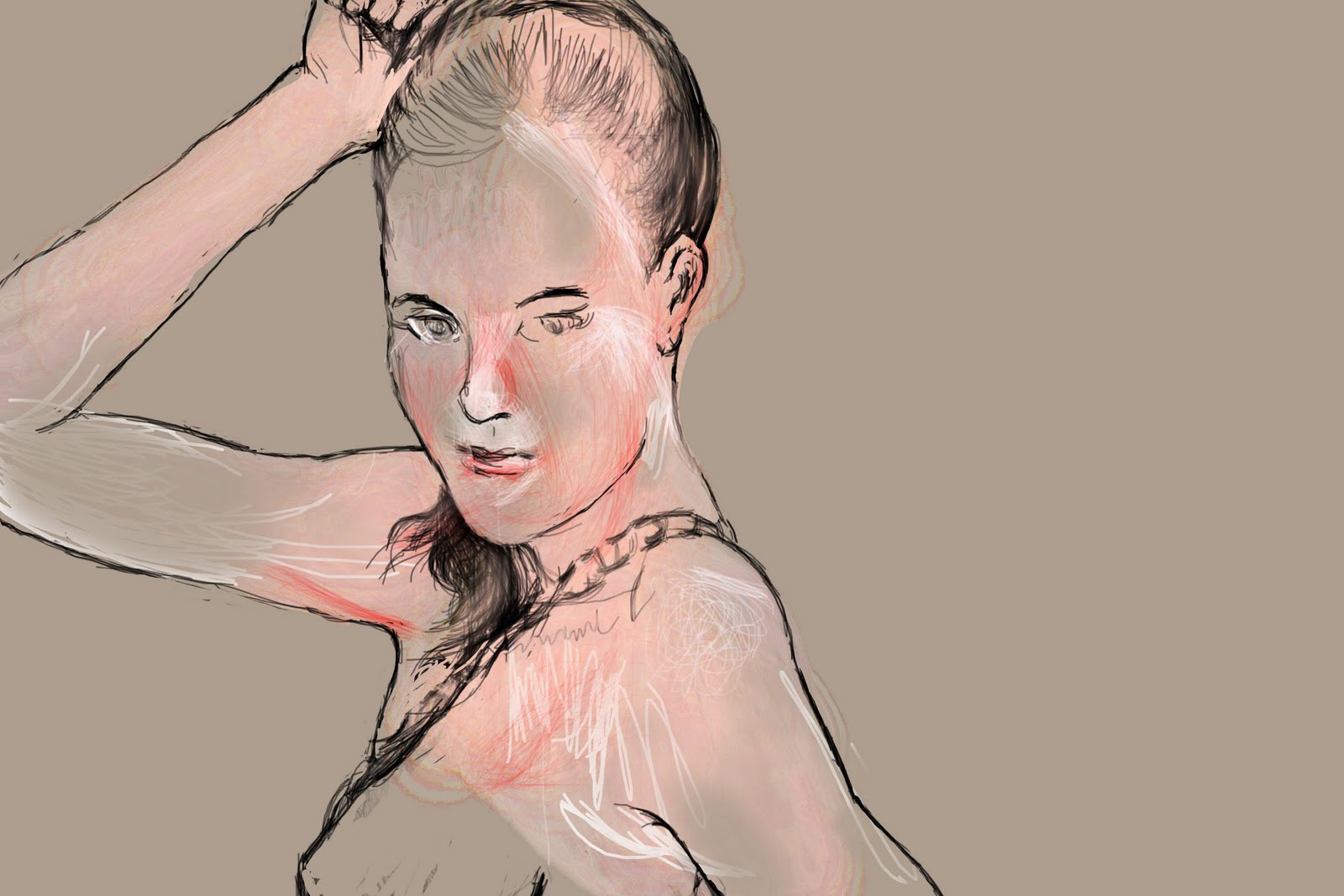 Artemis is the daughter of Zeus and Leto, and the twin sister of Apollo. She is the Hellenic goddess of the hunt, often depicted carrying a bow and arrows. The oldest representations of Artemis in Greek Archaic art portray her as Potnia Theron “Mistress of the Animals”.
Ἄρτεμις
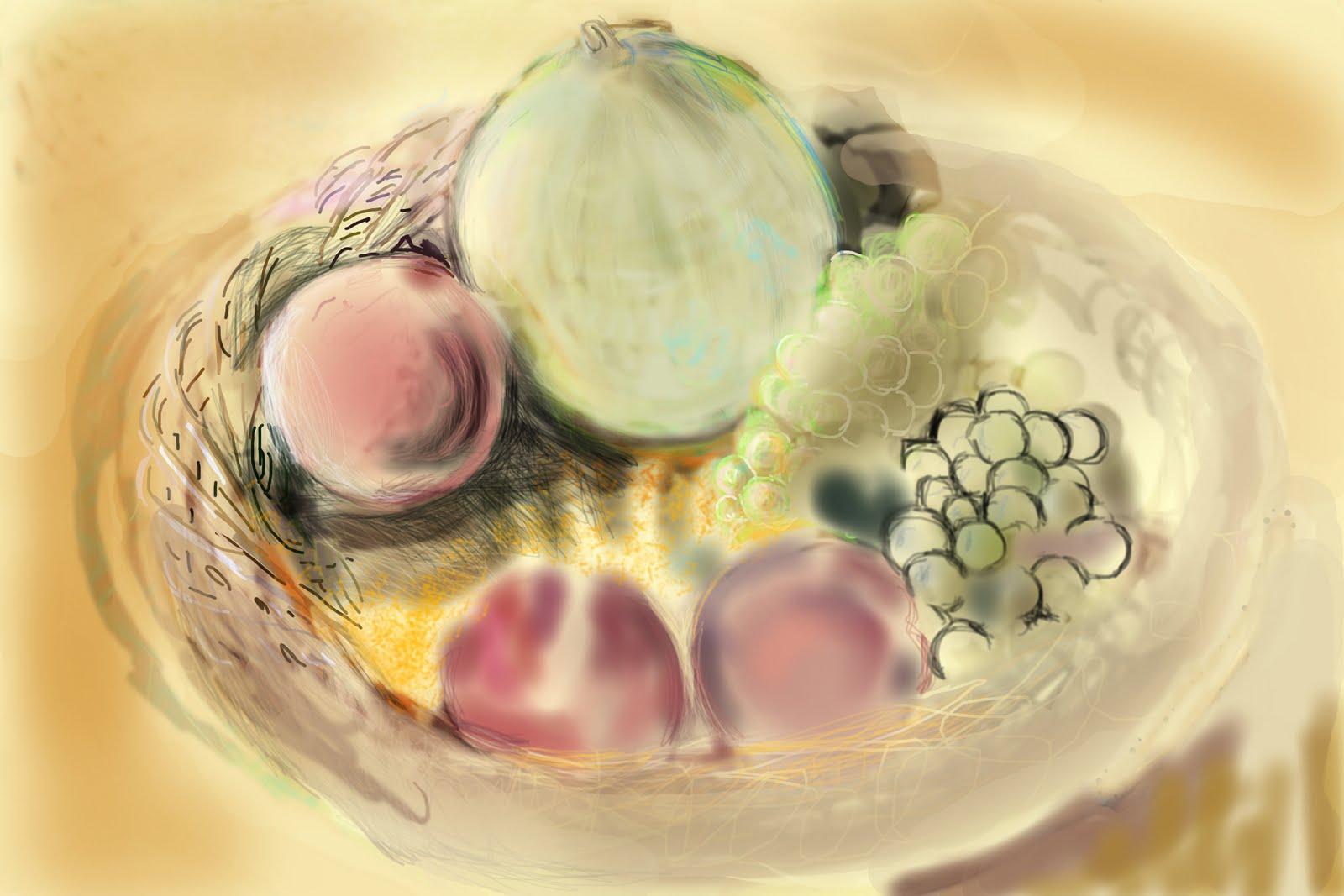
κέρας Ἀμαλθείας
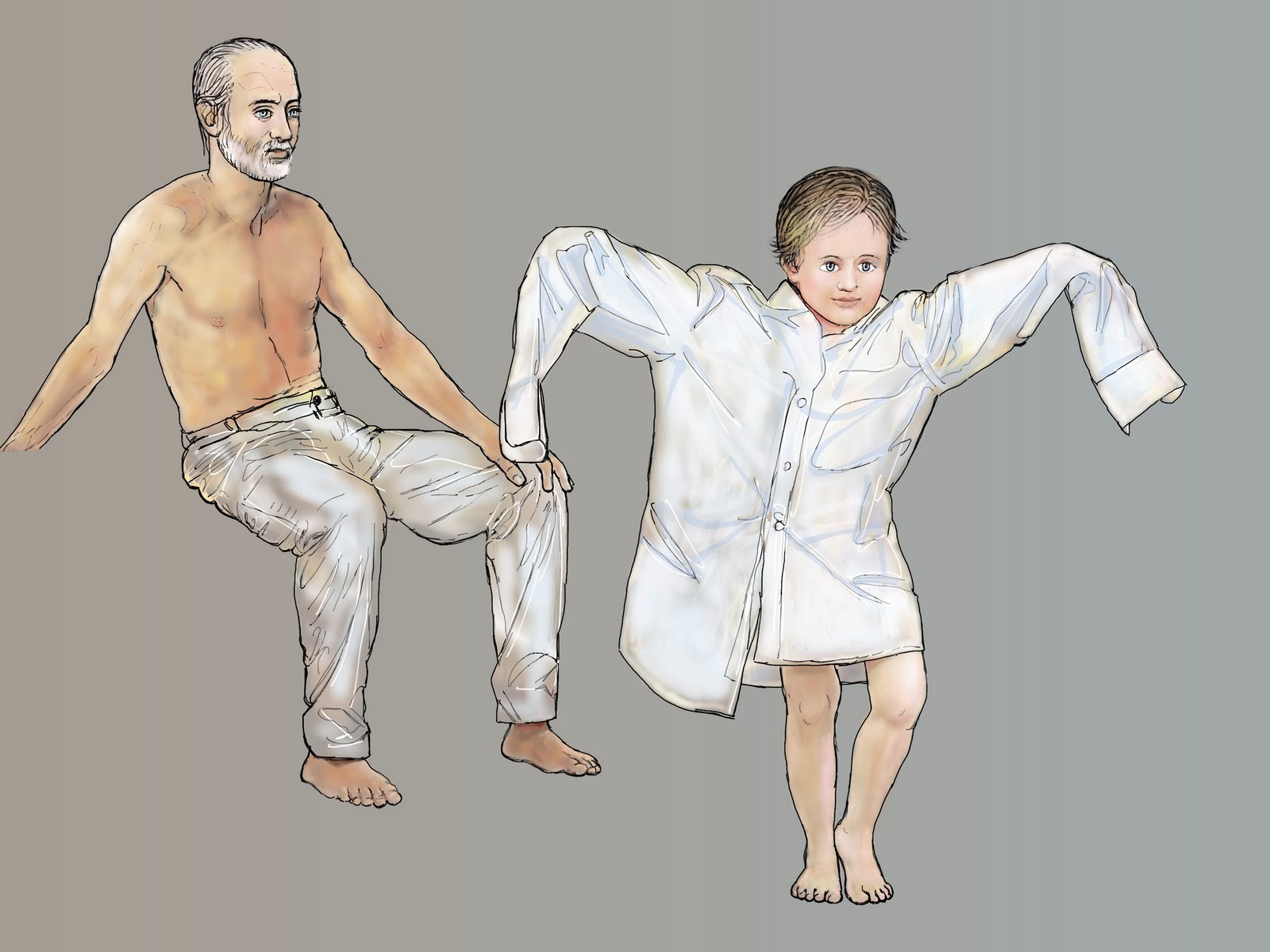
Chronos and Kairos
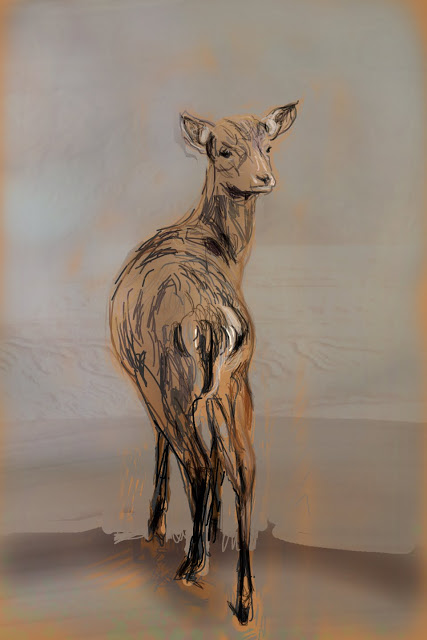
Ἰχνευταί
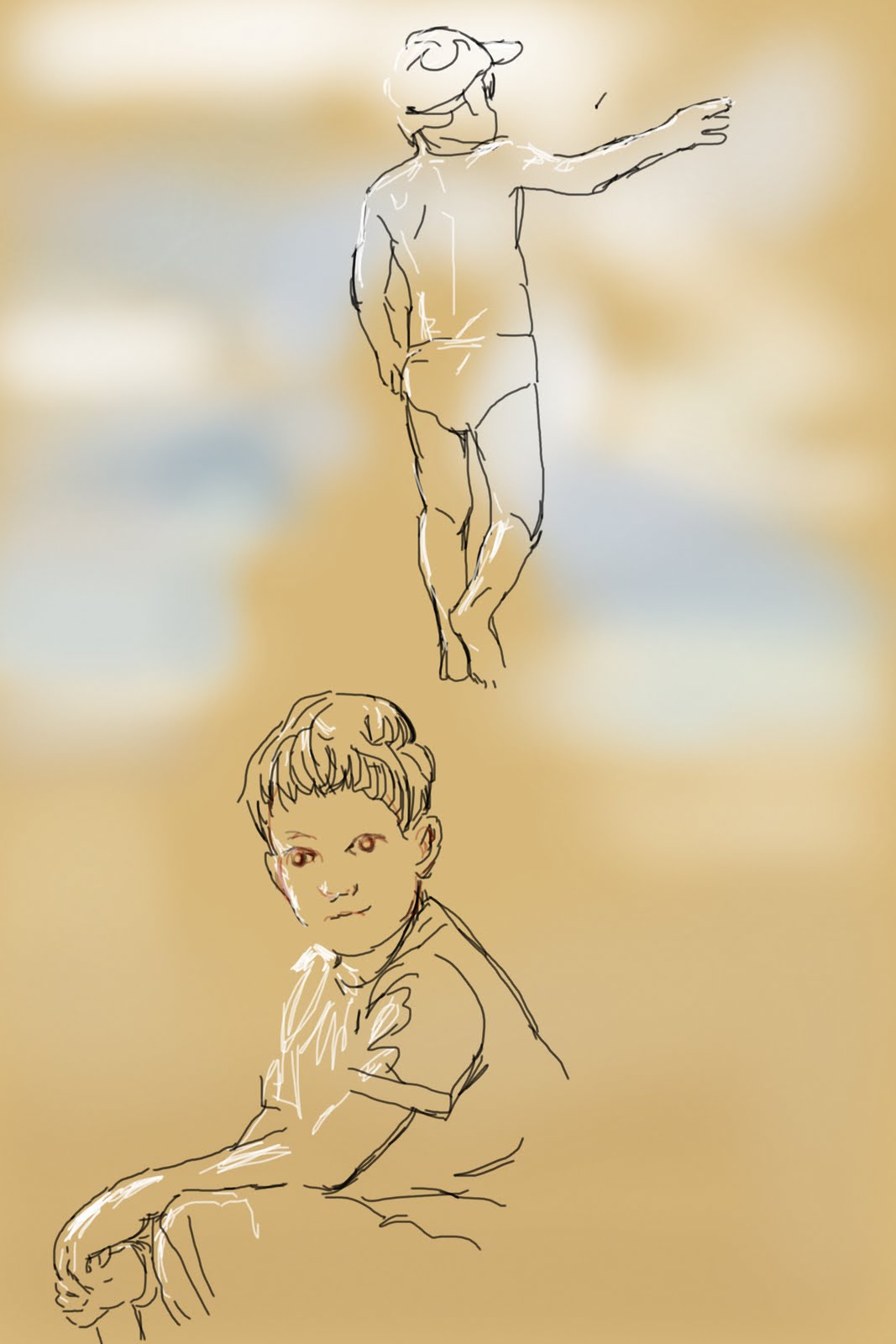
Ἅιδης Ἑρμῆς
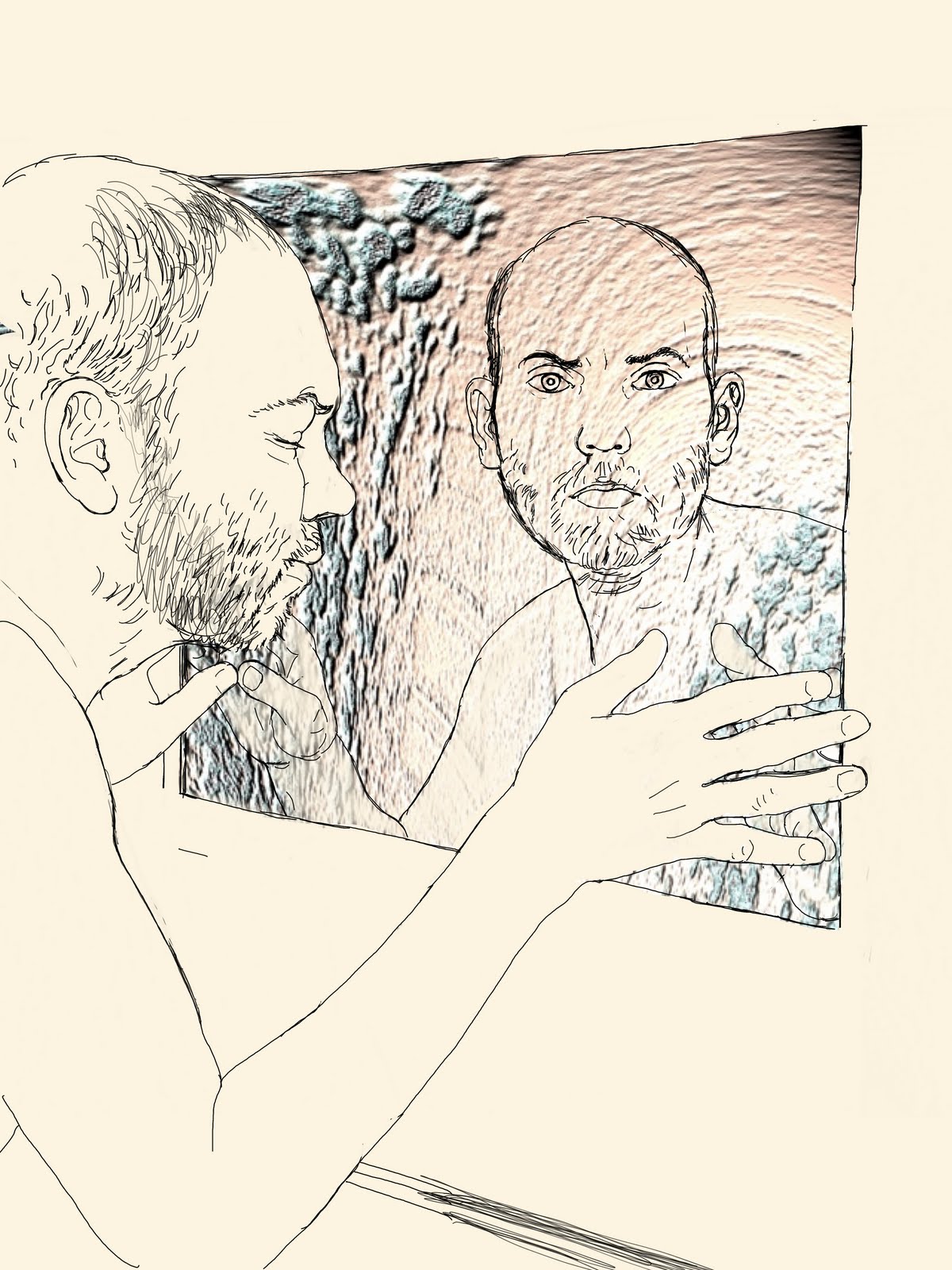
Nicolas
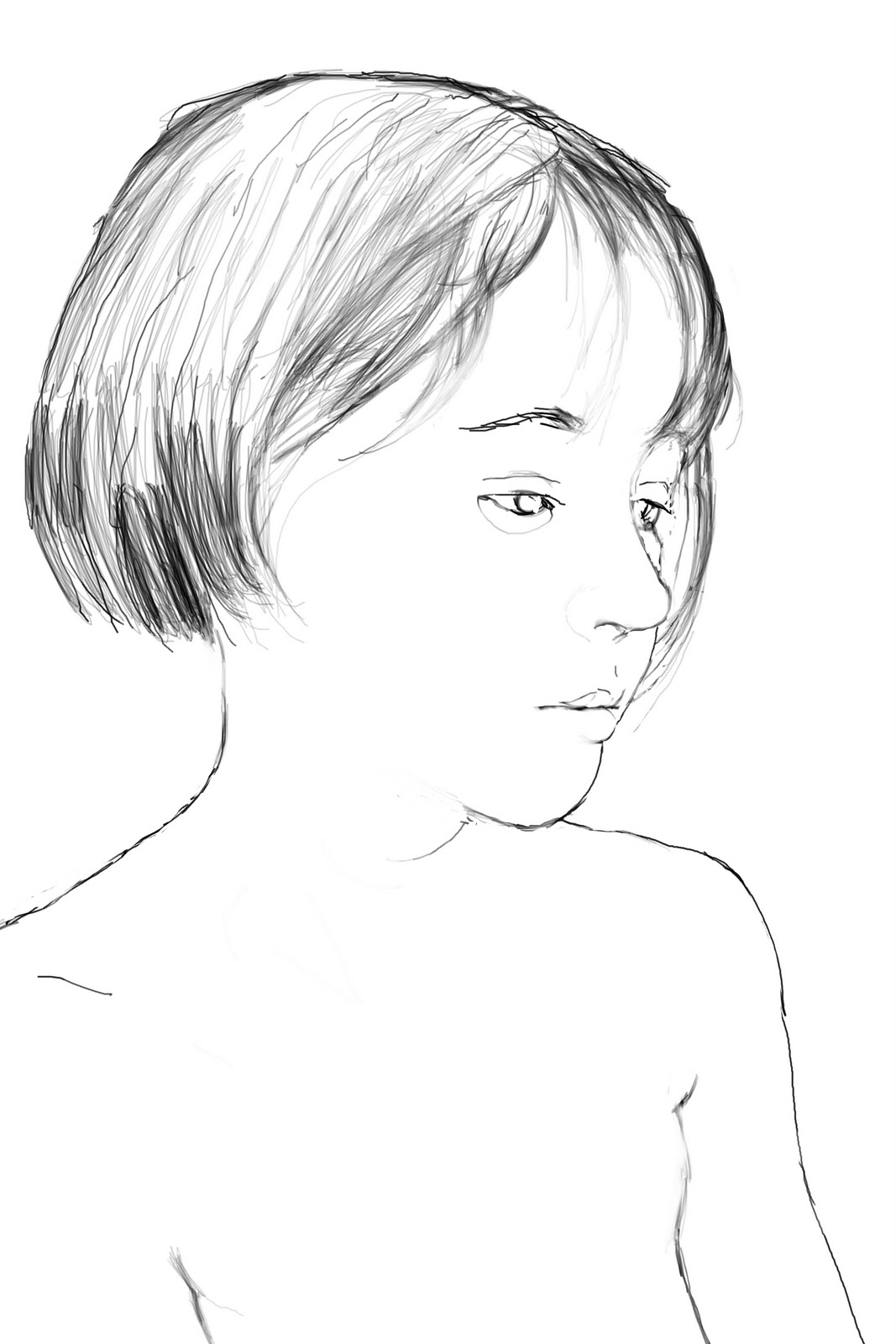
In Heracleidae, a play by Euripides, Macaria is the daughter of Heracles and Deïanira. To save her siblings, Macaria offers herself as the victim for the sacrifice to Persephone.
Dans Les Héraclides, une tragédie d’Euripide, Macaria est la fille d’Héraclès et de Déjanire. Pour sauver ses frères et sœurs, Macaria se laisse sacrifier à Perséphone.